


CONDENSATION CONTROL IN FOOD & BEVERAGE FACILIITES
November 9, 2026
By: Kevin Riley
CONDENSATION CONTROL STARTS AT THE DESIGN TABLE
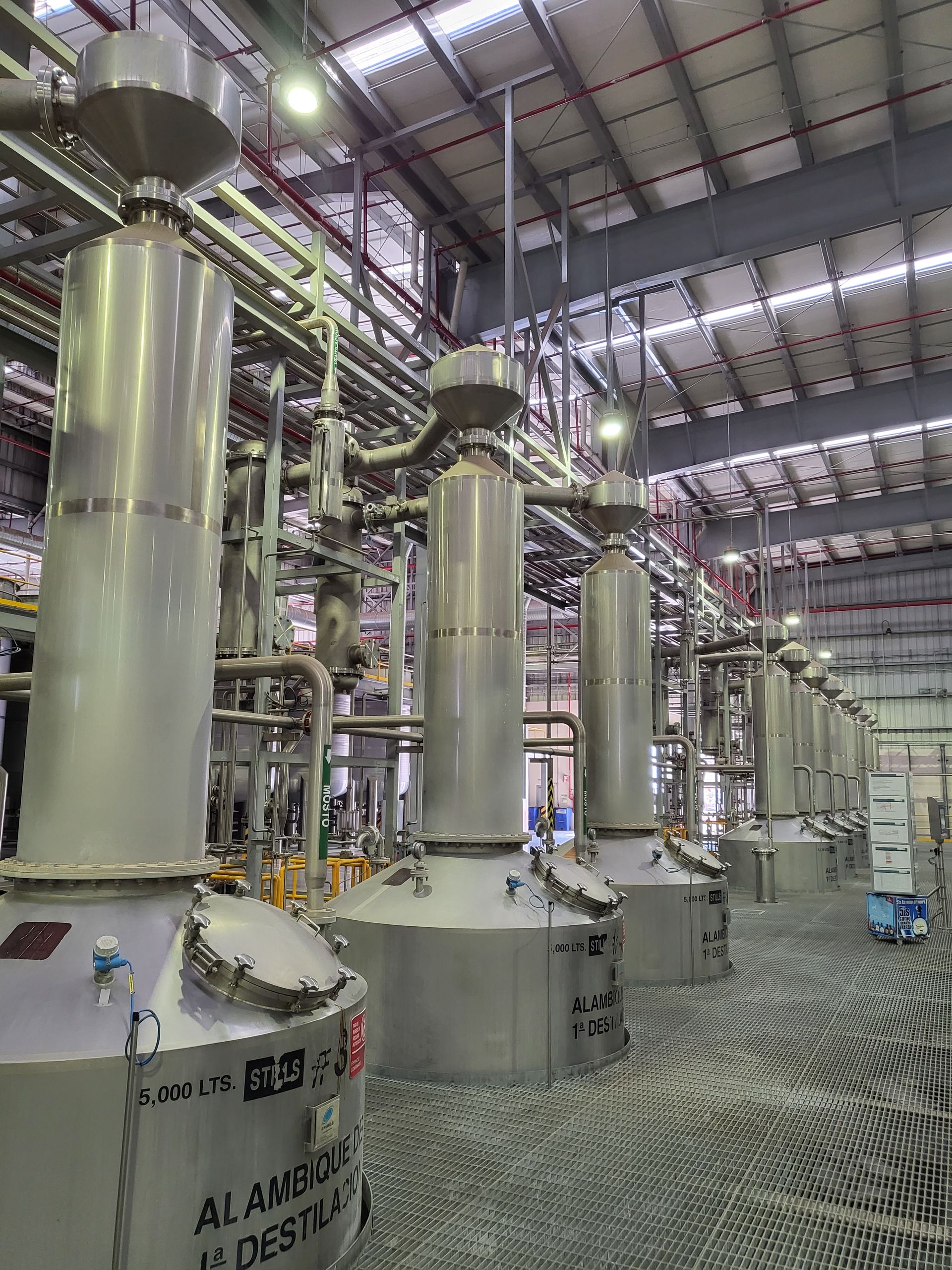
In food and beverage manufacturing, humidity is not only about comfort. It plays a critical role in GMP compliance, sanitation, food safety, and product quality. Yet, despite it’s importance, humidity control is often overlooked until a facility beings experiencing problems – sometimes in the form of production delays following routine washdowns, but in the worst cases extended production delays due to mold, label damage, weakened cartons, condensation dripping on product, and slick surfaces.
Although FDA 21 CFR Part 117 (eCFR :: 21 CFR Part 110 -- Current Good Manufacturing Practice in Manufacturing, Packing, or Holding Human Food) Current Good Manufacturing Practice, Practice in Manufacturing, Packing, or Holding Food, Production and Process Controls does not prescribe a universal relative humidity setpoint for food and beverage facilities, it does require environmental control requirements. Among these requirements is the need to control temperature and humidity, where necessary, to prevent food adulteration. The regulation also requires that raw materials and other ingredients be stored in bulk or in containers designed and constructed to protect against contamination.
Effective humidity control begins long before equipment is installed. It must be considered during the initial facility design process, when HVAC system configurations, equipment footprints, structural supports, and curbs are being established.
Unlike systems designed primarily for sensible cooling, HVAC systems responsible for significant dehumidification may require additional cooling capacity and more extensive coil arrangements. This can mean incorporating additional cooling rows within air handling units, increasing equipment dimensions, and accounting for larger support structures and roof curbs. Failing to recognize these requirements early can create costly design revisions and construction challenges.
Depending on the facility's latent load, more specialized approaches may also be necessary, including liquid desiccant dehumidification systems or hot gas reheat coils. These technologies can provide additional moisture removal and humidity control beyond what conventional cooling systems may accomplish.
But what drives the latent load in a food processing environment?
Several sources contribute to moisture accumulation, including:
- Process-generated vapor: Steam and hot vapor released during manufacturing and processing operations; this can be process tanks or equipment in a production line such as a pasteurizer.
- Open-liquid containers: Exposed liquids moving along conveyors or through processing areas.
- Washdowns and sanitation: Routine cleaning procedures that introduce substantial amounts of moisture into the environment.
- Outdoor air: Often one of the largest and most overlooked contributors to a building’s latent load, particularly during hot and humid air. This is due to the outdoor being needed to make up exhaust and for pressurization, if applicable.
Understanding the combined impact of these moisture sources is essential to properly sizing and selecting HVAC equipment. A system that adequately handles the sensible cooling load may still struggle to maintain humidity when faced with substantial latent loads.
For facilities processing meat and poultry products, as well as certain dairy products, additional USDA requirements may apply to environmental conditions and humidity management. Industry organizations also provide valuable guidance. The American Institute of Baking (AIB) and 3-A Sanitary Standards offer resources and recommendations related to food facility design, sanitation, and environmental conditions. These requirements and industry guidelines reinforce an important point: humidity management should be addressed as part of an integrated facility design strategy rather than treated as an isolated mechanical system expense.
It is tempting to assume that bringing more outdoor air into a facility will help remove moisture. However, ventilation is only beneficial for humidity control when the incoming outdoor air contains less moisture than the air being exhausted—or when that outdoor air is properly conditioned before entering the production space. In hot, humid climates, introducing untreated outdoor air can actually increase the building's latent load, making it more difficult and expensive to maintain the desired indoor conditions.
A properly designed HVAC system must therefore consider not only how much air is being supplied and exhausted, but also the moisture content of that air. This distinction is particularly important in facilities where sanitation activities and manufacturing processes already generate significant quantities of moisture.
Humidity control is equally important in food and beverage warehouse environments, particularly in facilities with high ceilings. Warm, humid air naturally rises and can accumulate near roof structures. When this moisture-laden air comes into contact with colder surfaces—such as roof decking, piping, or structural members—condensation can form. The consequences can extend well beyond the immediate condensation issue. Dripping water can reach floors, stored products, and equipment, creating potential sanitation and product-quality concerns.
Excess moisture in warehouse environments can also contribute to:
- Damaged product labels
- Weakened corrugated cartons and packaging materials
- Mold growth and other moisture related contamination concerns.
- Slick floors and increased slip hazards.
These conditions can compromise product integrity, create additional maintenance requirements, and introduce avoidable operational risks. Proper humidity management must therefore extend beyond processing rooms to include storage, packaging, and other supporting areas throughout the facility.
A successful food and beverage facility requires more than properly selected HVAC equipment. It requires a design team that understands how the building will actually operate—from daily production demands and sanitation procedures to construction sequencing and long-term maintenance.
This is where Vestal brings a valuable perspective to the design process.
Vestal's experience extends beyond its design engineers and designers to include project management professionals with decades of construction management experience, as well as senior-level management experience within food and beverage facilities. This combination provides a practical understanding of both the engineering requirements and the realities of operating and constructing these specialized environments.
By incorporating operational experience into the engineering and design process, Vestal can develop solutions that address the actual needs of facility owners and end users while remaining practical and constructable. That perspective is especially important when addressing challenges such as humidity control, where overlooking a relatively small design consideration early in a project can lead to significant equipment modifications, construction change orders, and operational inefficiencies later.
The best time to solve a humidity problem is during facility design—not after production has been delayed by it.
With the right planning, engineering expertise, and construction insight, humidity control can become an integrated part of a facility's performance strategy, helping food and beverage manufacturers maintain GMP compliance, protect product quality, and minimize unnecessary production downtime.
References:
Managing Manufacturing Humidity with Continental Fan Ventilation Solutions - Coward Environmental

Every project is different. let's talk about yours.
Insights to fuel your business
Sign up to get industry insights, trends, and more in your inbox.
Contact Us
We will get back to you as soon as possible.
Please try again later.
SHARE THIS
